Good garage shelving can make a small garage far more usable, but the wrong shelves can create a new problem: less room to park, tighter walkways, blocked car doors, and storage that is difficult to reach.
In a small garage, shelving has to work around the car—not the other way around.
That means paying attention to shelf depth, aisle clearance, garage-door tracks, wall space, floor slope, moisture, and how much weight each shelf actually needs to hold.
Here are practical garage shelving ideas for small garages that add storage without making the space harder to use.
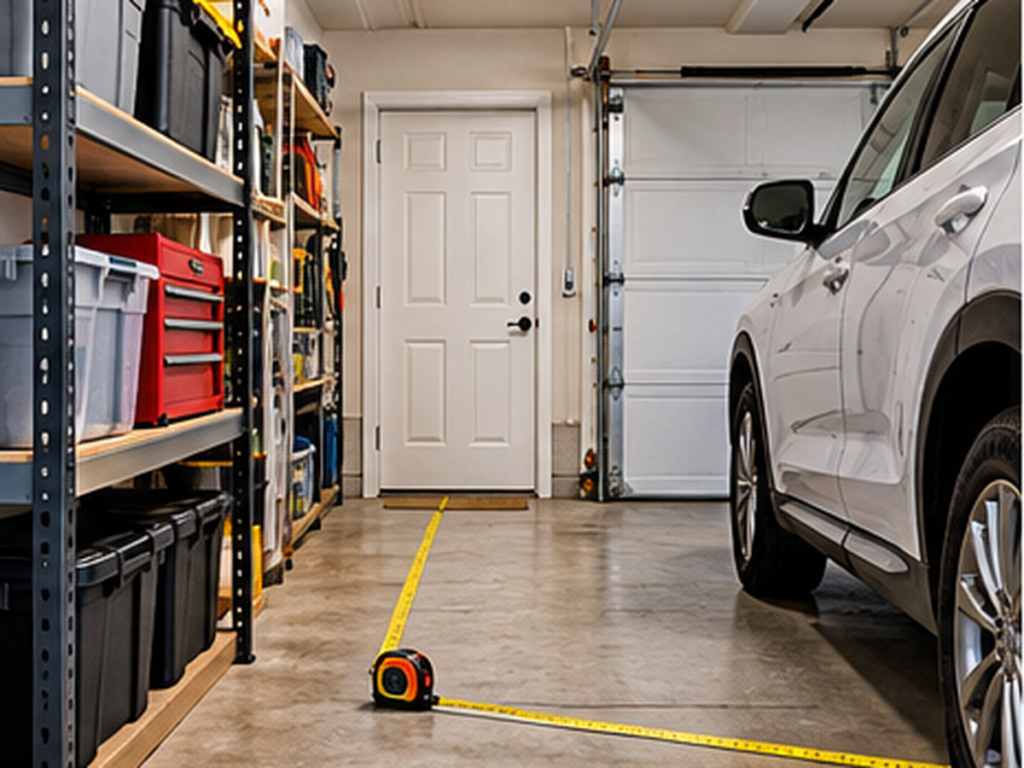
Start by Measuring With the Car Parked
Do not measure an empty garage and assume all of that space is available for shelving.
Park the vehicle where it normally sits.
Then measure:
- Distance from the car to each wall
- Car-door swing
- Walking clearance
- Garage-door track clearance
- Ceiling height
- Wall width
- Available depth behind the vehicle
- Space around doors and steps
- Any outlets, windows, pipes, or utility equipment
You also need to consider mirrors, hatchbacks, liftgates, and anything else that extends beyond the basic footprint of the vehicle.
Our guide to measuring for storage organizers can help you plan shelving around actual usable space rather than rough garage dimensions.
1. Use Shallow Shelving Along Parking Walls
Deep shelving can quickly consume valuable parking space.
If the shelves run along the side of the car, keep them only as deep as the items they need to hold.
Narrow garage shelving unit → Buy on Amazon
Shallow shelves work well for:
- Small storage bins
- Car-care supplies
- Gardening items
- Paint supplies
- Cleaning products
- Small tools
The narrower the aisle beside the car, the more important shelf depth becomes.
A shelf that sticks out only a few extra inches can make the difference between walking comfortably beside the car and constantly turning sideways.
2. Keep Car-Door Swing Clear
Before installing side-wall shelving, open every car door fully.
Measure the space those doors need.
This is especially important if:
- The garage is narrow
- You park close to one wall
- Children frequently use the rear doors
- You store items on both sides of the vehicle
Shelving that technically clears the parked car may still prevent passengers from getting in and out comfortably.
Keep frequently accessed shelves outside the main door-swing zone whenever possible.
3. Use Taller Shelves Instead of Deeper Shelves
In a small garage, vertical storage is usually more valuable than extra shelf depth.
A tall shelving unit can create several storage levels while using relatively little floor space.
Heavy-duty garage shelving → Buy on Amazon
Use upper shelves for:
- Seasonal decorations
- Camping equipment
- Rarely used household supplies
- Lightweight storage bins
Use lower shelves for:
- Heavy tools
- Bulk liquids
- Automotive supplies
- Frequently used items
For more ways to move storage upward instead of outward, see our vertical storage ideas for small spaces.
4. Put Heavy Items on Lower Shelves
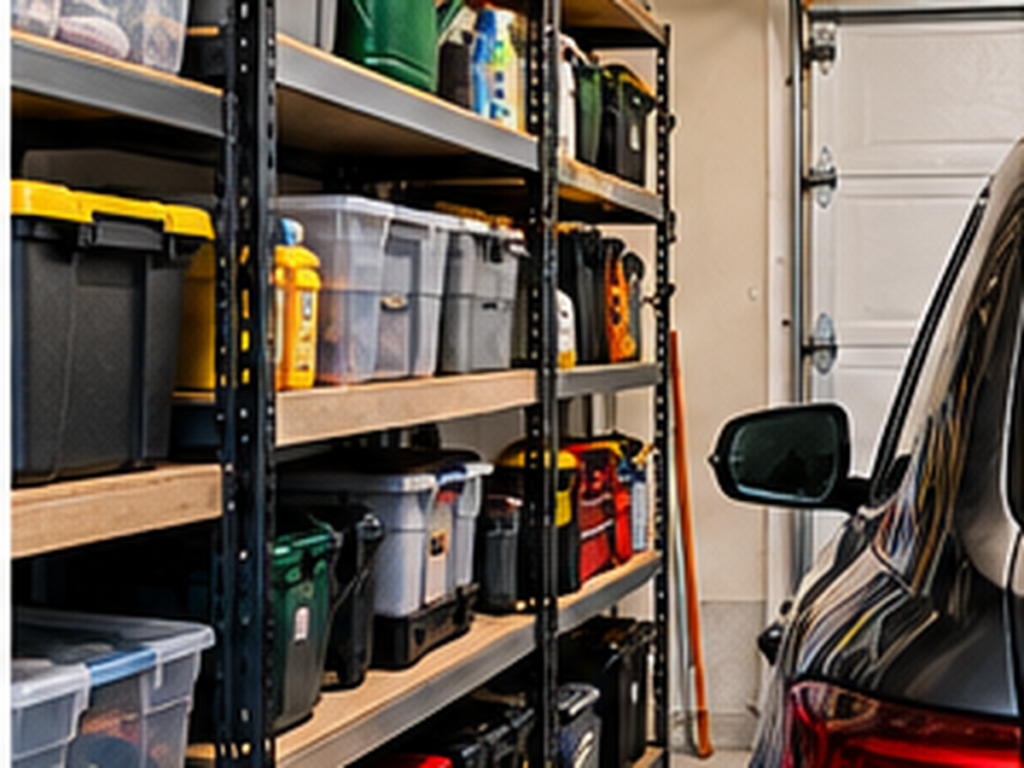
Heavy storage should stay low.
Examples include:
- Large toolboxes
- Cases of beverages
- Automotive fluids
- Heavy hardware
- Bulk supplies
- Dense storage bins
Keeping them low makes lifting easier and reduces the risk of heavy objects falling from overhead.
Use the higher shelves for lighter items.
This also helps keep tall shelving units from becoming unnecessarily top-heavy.
5. Use Adjustable Shelves for Mixed Storage
Garage storage changes constantly.
One month you may be storing:
- Tall fertilizer bags
- Small hardware bins
- A pressure washer accessory
- Holiday decorations
Adjustable shelving lets you change shelf height instead of wasting large vertical gaps.
This is particularly useful for small garages because fixed shelves can leave several inches of unused height above every container.
Adjustable metal garage shelving → Buy on Amazon
6. Match Storage Bins to Shelf Depth
Do not buy garage bins before measuring the shelves.
A bin that hangs several inches over the front edge:
- Wastes aisle space
- Is easier to knock into
- May become unstable
- Makes the garage feel more crowded
Choose containers that fit fully on the shelf whenever possible.
Garage storage bins → Buy on Amazon
If you already own bins, measure them before choosing shelving.
Our storage bin size guide can help you match container size to actual shelf space.
7. Use Wall-Mounted Shelving When Floor Space Is Tight
Wall-mounted shelves can free up floor space and make cleaning underneath easier.
They work well for:
- Small bins
- Car supplies
- Gardening products
- Lightweight tools
- Household backstock
They can also be installed above obstacles that make freestanding shelving difficult.
But wall-mounted shelves must be installed using hardware and attachment methods appropriate for the wall and expected load.
Do not overload decorative shelving with heavy garage equipment.
8. Use Freestanding Shelving When You Need Flexibility
Freestanding shelving is often easier to install and rearrange.
It can be a better choice when:
- You rent
- Wall construction is difficult
- Storage needs may change
- You want to move shelving later
Choose a unit that fits the available footprint without crowding the vehicle.
Tall freestanding units may require anchoring or stabilization according to the manufacturer’s instructions.
Do not assume a heavy shelf automatically means a stable shelf.
9. Use Narrow Shelving Beside the Garage Door
The strips of wall beside the garage door are often overlooked.
These areas can sometimes hold narrow shelving for:
- Spray bottles
- Car-cleaning supplies
- Small gardening items
- Hardware
- Shoe or boot storage
Measure carefully around:
- Garage-door rails
- Trim
- Sensors
- Electrical components
Do not install anything that interferes with the door system.
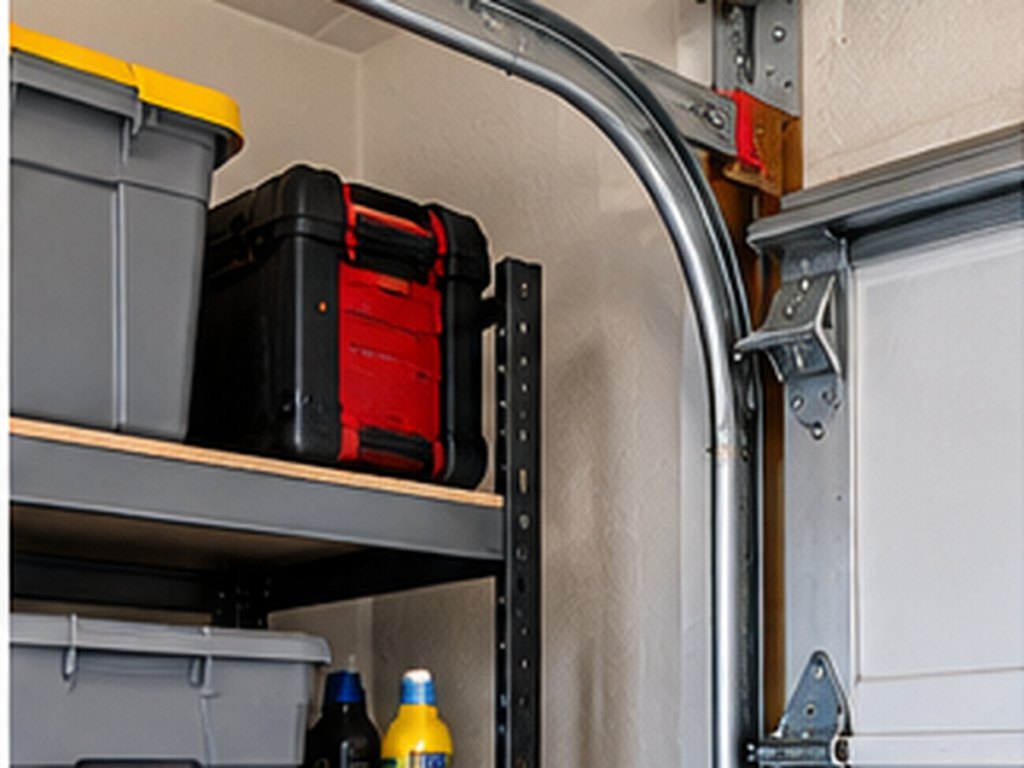
10. Keep Shelves Clear of Garage-Door Tracks
Garage-door hardware creates an important no-conflict zone.
Before installing tall shelving, check:
- Track height
- Door travel
- Springs
- Cables
- Motor rails
- Sensor locations
A shelf may fit perfectly when the door is closed but interfere when the door opens.
Operate the garage door and observe the entire path before deciding where tall shelving belongs.
11. Use the Back Wall for Deeper Shelving When Possible
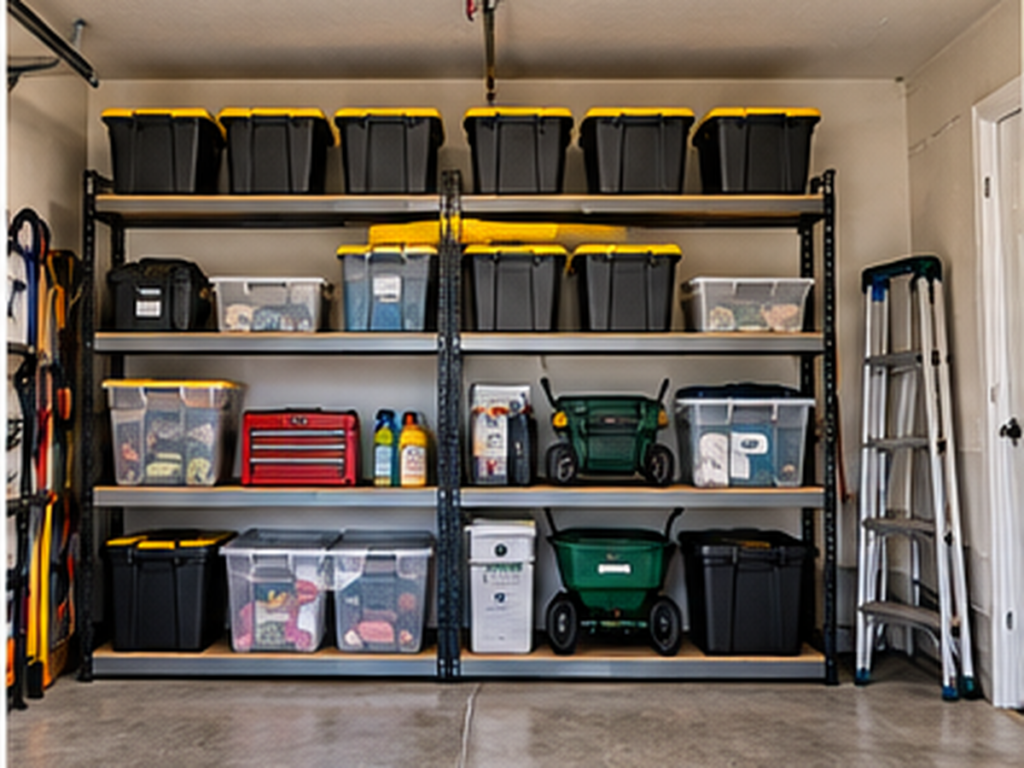
The back wall may offer more depth than the side walls because car doors do not need to open there.
If you still have enough room behind the parked vehicle, this can be a good location for:
- Larger storage bins
- Bulk household supplies
- Camping gear
- Seasonal storage
- Workshop supplies
Measure hatchback or trunk clearance before installing anything.
A shelf behind the vehicle is not useful if you can no longer open the trunk.
12. Leave a Walking Lane
Small garages still need circulation space.
Avoid covering every wall with deep shelving.
Maintain a clear route between:
- The car
- The house door
- The garage door
- Utility areas
- Frequently used storage
A little unused floor space can make the entire garage more functional.
Storage capacity is not helpful if you constantly bump into shelves while carrying groceries or tools.
13. Use Corner Shelving Only When the Corner Stays Accessible
Corner shelving can use otherwise empty space, but deep corners can quickly become difficult to reach.
Good corner-storage items include:
- Lightweight bins
- Seasonal supplies
- Rarely used household items
Avoid creating a deep corner packed with loose objects.
If the corner is difficult to reach, use handled bins that can be pulled forward.
14. Raise Shelving Slightly in Damp Garages
Garage floors may experience:
- Snow melt
- Rainwater
- Minor flooding
- Condensation
- Road salt
- Cleaning water
Avoid storing moisture-sensitive items directly on the floor.
A shelving unit with a raised lowest shelf provides some separation from occasional floor moisture.
Use appropriate containers for anything that could be damaged by damp conditions.
15. Account for Sloped Garage Floors
Garage floors are often designed to drain outward.
That means freestanding shelving may not sit perfectly level.
Check tall shelving after installation.
If a unit rocks or leans, follow the manufacturer’s instructions for leveling and securing it.
Do not improvise with unstable stacks of scrap material beneath the legs.
A slightly sloped floor matters much more with a tall, heavily loaded shelf than with a short unit.
16. Keep the Lowest Shelf Easy to Clean Around
Garage floors collect:
- Dust
- Leaves
- Road salt
- Dirt
- Sawdust
- Water
A shelving unit with a little clearance beneath the lowest shelf is easier to sweep or vacuum around.
If everything sits directly on the floor, cleaning becomes harder and moisture can go unnoticed.
17. Use Shelf Liners for Small Items
Wire shelving can be strong and practical, but small objects may fall through the gaps.
Garage shelf liners → Buy on Amazon
Shelf liners can create a flatter surface for:
- Small bottles
- Hardware containers
- Cleaning products
- Gardening supplies
Choose liners that fit the shelf and do not interfere with airflow or stability.
18. Keep Similar Bins Together
A row of mismatched containers can waste shelf space because their footprints do not line up.
Using a few consistent bin sizes can make it easier to:
- Stack efficiently
- Use shelf width
- Label categories
- Replace containers
- Plan shelf spacing
You do not need every container to match.
But using a limited number of footprints can make garage shelving much easier to manage.
19. Label Storage You Cannot See Into
Opaque garage bins need clear labels.
Useful labels include:
- Camping
- Car care
- Holiday lights
- Gardening
- Paint supplies
- Extension cords
- Hand tools
Avoid labels such as “garage stuff” or “miscellaneous.”
If a bin has no clear category, it usually becomes a dumping ground.
20. Keep Frequently Used Items Between Waist and Shoulder Height
Prime shelf space should go to the things you use most.
This might include:
- Car-care supplies
- Common tools
- Cleaning products
- Gardening gloves
- Batteries
- Extension cords
Use higher and lower shelves for items that need less frequent access.
You should not need a step stool every time you wash the car.
21. Keep Hazardous Products Stored Appropriately
Garages often contain substances that require careful storage.
Follow manufacturer instructions for products such as:
- Automotive fluids
- Paint products
- Chemicals
- Pesticides
- Cleaning concentrates
Keep incompatible products separated where required, protect containers from extreme conditions when specified, and keep hazardous products away from children and pets.
Garage shelving should improve organization without creating unsafe chemical storage.
22. Do Not Trust Capacity Claims Without Checking the Details
A shelving unit may advertise a high total weight capacity.
That number does not necessarily mean every shelf can hold the same amount under every condition.
Check:
- Per-shelf rating
- Total unit rating
- Whether the load must be evenly distributed
- Required anchoring
- Shelf configuration
Then compare those limits with what you actually plan to store.
Heavy garage shelving should be treated as storage equipment, not decorative furniture.
23. Use Different Shelf Depths for Different Walls
Not every wall needs the same shelving.
You might use:
- Shallow shelves beside the car
- Deeper shelving behind the car
- Narrow shelves beside the garage door
- Wall-mounted shelves above a work area
This usually works better than buying several identical shelving units and forcing them into every available wall.
A small garage benefits from fitting storage to each zone.
24. Leave Room for Future Storage Changes
Garage storage tends to evolve.
You may eventually add:
- Sports equipment
- Kids’ gear
- New tools
- Seasonal equipment
- Lawn supplies
Do not pack every shelf completely on day one.
Some open capacity makes it easier to adapt without buying another storage unit.
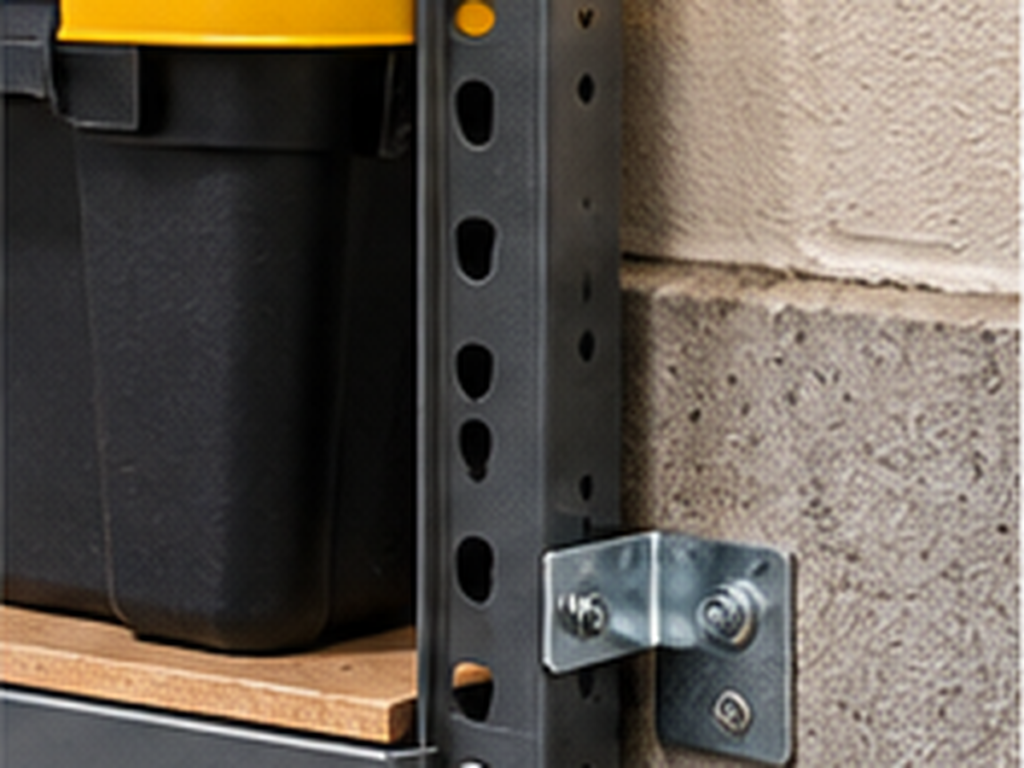
25. Anchor Tall Shelving When Required
Tall shelving can become unstable when:
- Heavy items are placed high
- The floor is uneven
- Items are pulled from one side
- Children climb on it
- The unit is bumped
Follow the manufacturer’s anchoring instructions.
If a shelving system is designed to be secured to the wall, do not skip that step simply because the shelf feels stable when empty.
How Deep Should Garage Shelves Be?
The right depth depends on where the shelves are located.
Along parking walls, shallower shelving can preserve walking and door clearance.
The rear wall may allow deeper storage if there is enough room behind the vehicle.
Choose depth based on:
- Bin dimensions
- Vehicle clearance
- Walking space
- Door swing
- Access to stored items
The deepest shelf is not automatically the best shelf.
Are Wall-Mounted or Freestanding Garage Shelves Better?
Both can work.
Wall-mounted shelves are useful when:
- Floor space is extremely limited
- You want easier floor cleaning
- Wall space exists above obstacles
Freestanding shelves are useful when:
- You want flexibility
- You rent
- You want easier installation
- Storage needs may change
The better option depends on the garage layout and what the shelving needs to hold.
What Should Go on the Bottom Garage Shelf?
Use lower shelves for heavier items such as:
- Toolboxes
- Dense storage bins
- Automotive supplies
- Bulk products
Keeping heavy objects low makes them easier to handle and helps keep the shelving unit more stable.
How Do You Add Storage to a Very Small Garage?
Start with the walls rather than the floor.
Use:
- Tall shelving
- Shallow shelves
- Wall-mounted storage
- Narrow units
- Consistent storage bins
Then preserve enough room for the vehicle and a clear walking path.
For broader ideas beyond shelving, see our garage storage ideas for small garages.
How Much Space Should You Leave Around Garage Shelving?
There is no universal number because vehicle size, garage width, door swing, and shelving depth vary.
Measure with the vehicle parked.
You need enough room to:
- Open car doors
- Walk past the vehicle
- Pull storage bins off shelves
- Access the house
- Operate the garage door safely
Always design around actual clearance rather than an empty garage.
Small Garage Shelving Should Protect Your Parking Space
The purpose of garage shelving is not to fit the maximum possible number of shelves into the room.
It is to move storage off the floor while keeping the garage functional.
Use shallow shelves where the car needs clearance.
Go taller instead of deeper.
Keep heavy storage low.
Match bins to shelf depth.
Protect access to doors and garage-door hardware.
And leave a clear route through the space.
When the shelving works around the vehicle and the way you actually use the garage, even a small garage can hold far more without feeling packed.